

NEW DELHI — As geopolitical tensions continue to ripple through global markets, India finds itself navigating a complex economic labyrinth. The recent uptick in domestic petrol and diesel prices—while drawing sharp political criticism—presents a critical challenge: balancing public relief with macroeconomic stability. With global uncertainties looming, experts suggest that minor fiscal adjustments are becoming necessary to keep the Indian economic framework resilient.
The Fiscal Defense: Why Tax Cuts Are Off the Table
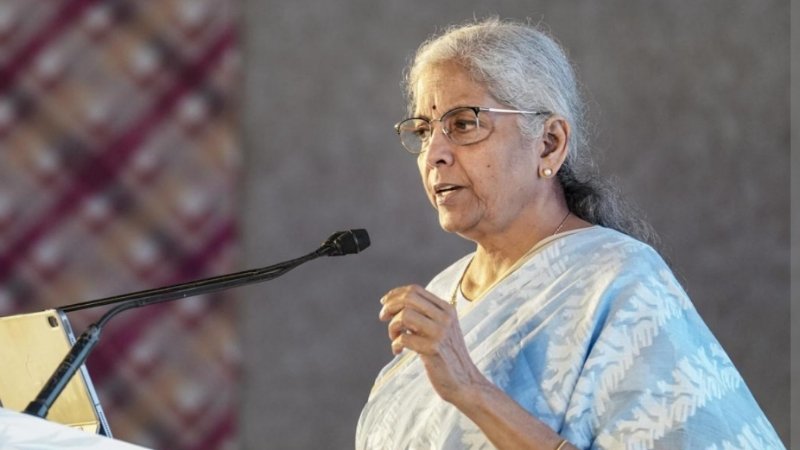
Addressing the brewing controversy, Union Finance Minister Nirmala Sitharaman explicitly ruled out an immediate reduction in central excise duty on fuel. Such a move, she cautioned, would deal a severe blow to the national exchequer.
“Lowering excise duties at this juncture could result in a revenue loss of approximately ₹1 lakh crore for the government,” Sitharaman stated.
The Finance Minister urged the nation to reject “fear-mongering and rumors,” emphasizing that maintaining public trust and fiscal discipline is paramount during global instability. Rather than reacting with short-term fixes, the government is focusing on a targeted “3F Strategy”:

Fuel: Securing energy supply chains.
Fertilizer: Subsidizing agricultural inputs to protect farmers.
Forex: Safeguarding foreign exchange reserves against global market volatility.
Ground Reality: Prices Cross the ₹100 Threshold
The impact of global pressures is visibly reflecting at domestic fuel pumps. In the national capital, Delhi, petrol prices have breached the psychological benchmark of ₹100 per liter, following the fourth price hike in just 11 days.
According to government officials, Oil Marketing Companies (OMCs) have been absorbing significant under-recoveries for months. The recent hikes, though burdensome for consumers, are described as a calculated measure to prevent these public-sector oil giants from slipping into severe financial distress.
The Geopolitical Catalyst
India imports over 85% of its crude oil requirements, making its economy highly sensitive to international friction. The primary drivers behind the current price pressure include:
The West Asia Crisis: Escalating geopolitical tensions in the Middle East have disrupted traditional shipping routes and heightened supply anxieties.
Global Crude Volatility: Production cuts by major oil-exporting alliances have kept international crude prices consistently high, passing the financial burden down to developing economies.
Political Backlash: Opposition Hits Out
Unsurprisingly, the price hikes have triggered a fierce political showdown. Opposition parties, led by the Indian National Congress, have strongly criticized the ruling administration, accusing it of being insensitive to the middle and lower-income classes.
Opposition leaders argue that rising fuel costs are triggering a cascading effect on the prices of essential commodities, thereby intensifying the inflation burden on the common citizen. They have demanded an immediate roll-back of taxes to provide inflation relief.
Analysis: A Necessary Evil for Economic Stability?
While the opposition’s concerns regarding inflation are valid, economists point out that India is not alone in this struggle. Almost every major oil-importing economy is currently battling similar inflationary headwinds.
In this scenario, reducing government revenue could severely impact public capital expenditure on infrastructure, welfare schemes, and national security. By prioritizing the stabilization of Fuel, Fertilizer, and Forex, the government aims to build a shield against deeper, systemic economic shocks—even if it means asking citizens to endure short-term pain at the pump.